Exactly How Aluminum Foundry Engineering Aids Lower Manufacturing Expenses for Suppliers
Aluminum foundry engineering plays an essential role in lessening production expenses for manufacturers. Aluminum Casting. By utilizing advanced casting techniques, enhancing material use, and incorporating automation, firms can improve performance and minimize waste. Furthermore, energy-efficient techniques and quality assurance steps contribute to preserving high requirements while lowering expenses. Comprehending these strategies discloses exactly how producers can adjust to market needs and enhance their bottom line. What certain advancements are driving these modifications?
Advanced Casting Techniques
Advanced casting techniques have changed the aluminum foundry sector, allowing makers to produce even more facility and precise components. Methods such as die casting, investment spreading, and sand casting have progressed noticeably, permitting boosted dimensional accuracy and surface coating. These sophisticated techniques help with the manufacturing of detailed shapes that were impossible or once challenging to achieve, lowering the demand for comprehensive machining and assembly processes.
Boosted air conditioning and home heating strategies additionally maximize production performance, lessening cycle energy and times consumption. Automation and computer-aided layout (CAD) combination enhance the spreading procedure, guaranteeing consistency and high quality in every batch. In addition, these ingenious strategies contribute to minimized waste by making the most of product application, consequently driving down total production expenses. As makers adopt these sophisticated casting techniques, they position themselves to meet the raising demands for high-performance aluminum parts across numerous industries, inevitably improving their competition in the marketplace.
Product Optimization Approaches
While makers continually look for ways to improve efficiency, product optimization strategies play a crucial duty in the aluminum foundry industry. These strategies concentrate on optimizing resource application, minimizing waste, and making sure product high quality. By evaluating the structure and residential or commercial properties of aluminum alloys, foundries can determine one of the most appropriate products for specific applications, therefore reducing excess intake.
Applying exact measurement strategies allows for precise estimations of product demands, leading to less scrap throughout production. Simulation devices and software application enable engineers to predict the behavior of aluminum throughout the spreading procedure, enhancing layout and decreasing issues.
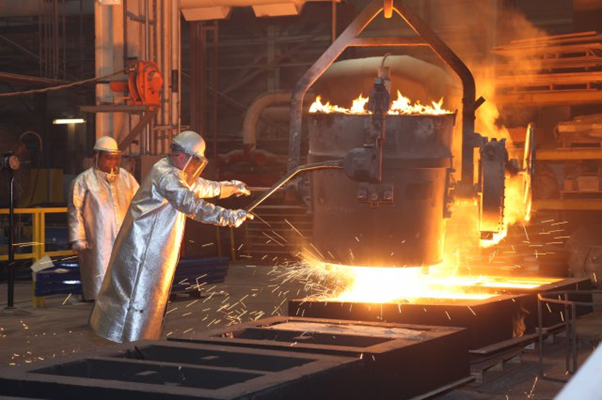
In addition, recycling scrap aluminum within the foundry not only decreases expenses yet additionally promotes sustainability. This circular strategy to material use boosts overall production performance, eventually contributing to lower functional expenditures and a more eco-friendly manufacturing process. With these approaches, manufacturers can accomplish significant cost decreases while maintaining high requirements of quality and performance.
Automation and Equipment Innovations
Development in automation and equipment has actually become a crucial element in the aluminum foundry market, matching the product optimization techniques formerly reviewed. Advanced innovations, such as robotic arms and automated molding systems, have actually greatly improved manufacturing performance. These developments enable shops to streamline procedures, lower manual work, and lessen human mistake, causing boosted product consistency and top quality.
The assimilation of smart sensors and data analytics right into equipment allows for real-time monitoring and anticipating maintenance. This positive method not just prolongs the life-span of equipment but additionally decreases downtime, ultimately decreasing operational costs. Using automated casting procedures additionally accelerates production cycles, allowing suppliers to fulfill raising demand without compromising top quality.
With these advancements, aluminum foundries can attain greater efficiency degrees while keeping competitive prices, therefore supporting manufacturers in their mission for cost-effective manufacturing services.
Power Effectiveness in Aluminum Foundries
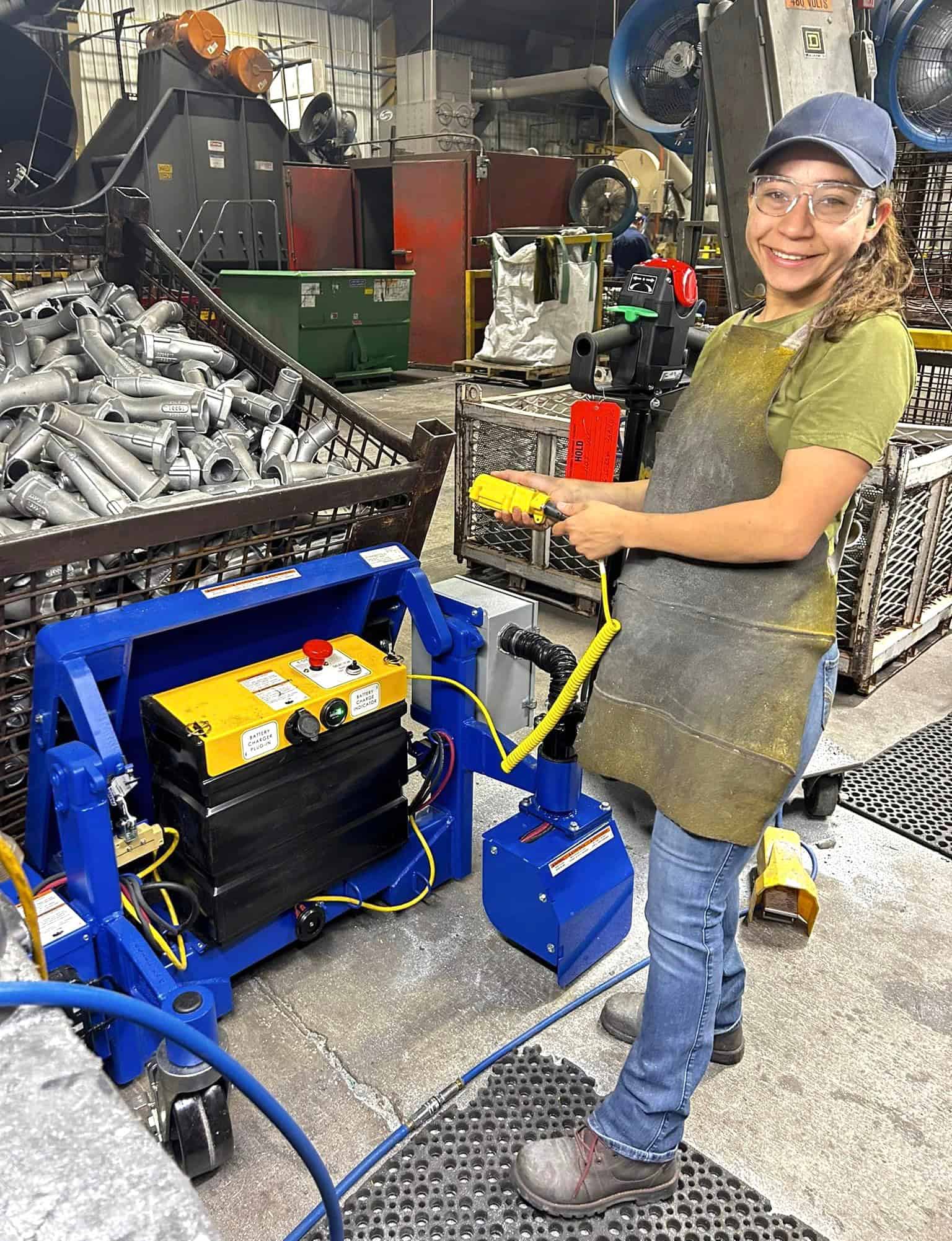
Additionally, insulation improvements and using energy-efficient illumination even more improve overall plant performance. By implementing real-time surveillance systems, foundries can identify inefficiencies and change procedures appropriately. Furthermore, training staff members on power conservation practices cultivates a culture of sustainability.
Governing rewards and rising power prices also motivate factories to buy energy-efficient solutions. As these measures are embraced, the aluminum foundry field not just reduces its carbon footprint but also boosts productivity, positioning itself positively in an open market. Such improvements are important for lining check up functional techniques with modern environmental criteria.
High Quality Control and Process Enhancement
Quality control and process renovation are vital in the aluminum foundry market, directly affecting product integrity and functional effectiveness. Executing extensive quality control steps ensures that each stage of manufacturing complies with established requirements, therefore lessening problems and enhancing the total high quality of spreadings. Metal Foundry. Methods such as statistical process control (copyright) enable shops to keep an eye on production procedures in real time, determining variants and enabling prompt restorative actions
In addition, continual procedure renovation methods, such as Lean and Six Sigma, cultivate a culture of performance among foundry teams. These approaches assist get rid of waste and streamline procedures, inevitably adding to lowered manufacturing expenses. Regular training and advancement of workers additionally boost quality control efforts, guaranteeing that employees are geared up with the current techniques and technologies. By focusing on top quality control and process enhancement, aluminum factories can not only improve product honesty yet likewise accomplish significant expense savings, making them more affordable out there.
Situation Studies of Price Decrease Successes
While many aluminum shops face climbing production prices, several have actually efficiently carried out critical efforts that significantly minimized expenses. One significant situation entailed a factory that took on innovative automation innovations, resulting in a 30% reduction in labor prices. By utilizing robot systems for spreading and machining, the facility lessened human mistake and enhanced manufacturing effectiveness.
An additional foundry concentrated on enhancing its supply chain by negotiating far better contracts with raw product vendors. This campaign brought about a considerable reduction in product costs, accomplishing a 15% decrease generally. In addition, a third situation highlighted a factory that revamped its recycling procedures, reclaiming aluminum scrap much more efficiently, which not just reduced material expenses but also contributed to sustainability initiatives.
These case studies exhibit just how targeted engineering approaches can bring about significant cost decreases, making it possible for aluminum shops to continue to be competitive while boosting their profits.
Often Asked Concerns
What Are the Main Conveniences of Aluminum Over Other Steels?
Just How Does Aluminum Recycling Effect Manufacturing Costs?
Aluminum reusing significantly lowers production prices by reducing raw material costs, lessening power consumption, and lowering discharges. This process enhances sustainability while making aluminum much more economically viable compared to key metal production techniques.
What Industries Advantage The Majority Of From Aluminum Foundry Engineering?
Automotive, aerospace, and customer electronics industries benefit most from aluminum foundry engineering. These sectors leverage aluminum's light-weight buildings and recyclability, enhancing item performance while decreasing weight, inevitably resulting in boosted efficiency and cost-effectiveness in manufacturing processes.
What Are Usual Difficulties Encountered by Aluminum Foundries?
Usual challenges dealt with by aluminum factories consist of taking care of manufacturing effectiveness, making certain top quality control, minimizing waste, resolving equipment upkeep, navigating changing basic material prices, and adapting to technological innovations while meeting customer demands and regulatory needs.
How Can Smaller Producers Implement Foundry Engineering Solutions?
Smaller sized makers can apply foundry engineering options by purchasing modern tools, embracing lean manufacturing principles, training personnel on best techniques, collaborating with knowledgeable engineers, and utilizing simulation software program to optimize production processes effectively.
Aluminum foundry engineering plays an essential duty in minimizing manufacturing costs for producers. Furthermore, recycling scrap aluminum within the foundry not only decreases costs however additionally advertises sustainability. As the aluminum foundry sector faces enhancing stress to lower expenses and environmental impact, power performance has emerged as an essential emphasis area. Quality control and process renovation are critical in the aluminum foundry market, directly affecting item reliability and functional efficiency. While many aluminum factories face increasing manufacturing expenses, numerous have actually find this successfully applied tactical efforts that considerably reduced costs.