Emulsifiers: Trick Components for Attaining Perfectly Mixed Solutions
Emulsifiers play an important duty in creating stable combinations of immiscible fluids, such as oil and water. Their distinct residential or commercial properties enable them to lower surface tension, which is crucial for harmony in numerous formulations. Comprehending the distinctions between synthetic and natural emulsifiers can influence item quality substantially. As industries progressively look for to boost appearance and shelf life, the choice process for the ideal emulsifier comes to be critical. What elements should be thought about in this crucial option?
Comprehending Emulsifiers: What They Are and Just how They Function
Emulsifiers may seem like a straightforward enhancement to solutions, they play an essential role in stabilizing mixtures of components that usually do not blend well, such as oil and water. These compounds function by reducing surface stress at the user interface in between immiscible fluids, enabling them to blend more uniformly. Emulsifiers contain both hydrophilic (water-attracting) and lipophilic (oil-attracting) homes, which enable them to secure themselves at the limit of both phases. By doing so, they develop a protective barrier that protects against the beads of one liquid from integrating right into larger masses, therefore keeping a stable solution. The efficiency of an emulsifier depends upon its molecular structure, which affects its capability to maintain blends. In different applications, from food to cosmetics, emulsifiers ensure a consistent appearance and appearance, boosting both performance and consumer charm. Their significance can not be overemphasized in accomplishing well-blended formulations.
Kinds of Emulsifiers: Natural vs. Synthetic
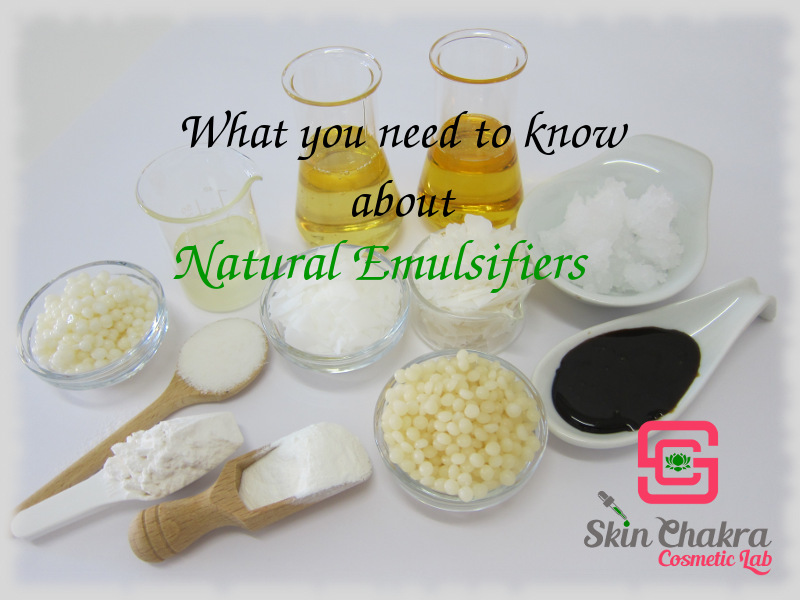
Emulsifiers can be generally categorized into 2 types: artificial and natural, each offering unique advantages and applications. Natural emulsifiers, originated from plant or animal resources, include periodontal, lecithin, and casein arabic (emulsifiers). These emulsifiers are commonly favored in clean-label and natural products as a result of their minimal processing and biocompatibility. Their mild nature makes them suitable for sensitive solutions, especially in food and cosmetics

On the other hand, artificial emulsifiers such as mono- and diglycerides, and polysorbates are made through chemical processes. They are frequently made use of in industrial applications because of their security and efficiency in creating emulsions. Artificial emulsifiers frequently display premium performance in extreme conditions, such as high temperatures or differing pH degrees. The selection between synthetic and natural emulsifiers mainly relies on the particular formula needs, regulative factors to consider, and consumer preferences, affecting their reliable application in various industries.
Functions of Emulsifiers in Food and Aesthetic Solutions
The duty of emulsifiers extends beyond simple stabilization; they are essential in achieving the desired shelf, appearance, and look life of food and cosmetic items. In food solutions, emulsifiers assist blend oil and water, creating smooth and uniform appearances necessary for sauces, dressings, and milk products. They decrease surface stress, improving the stability of emulsions, which prevents splitting up and extends freshness.
In cosmetics, emulsifiers guarantee that ingredients, such as oils and water, mix seamlessly, improving and providing a positive feeling application. emulsifiers. They add to the product's thickness and spreadability, crucial for lotions, creams, and lotions. In addition, emulsifiers can encapsulate energetic ingredients, improving their circulation and effectiveness in solutions. By controlling appearance and improving sensory attributes, emulsifiers play an essential role in conference consumer assumptions in both food and cosmetic industries, ensuring products are not just appealing however also functionally reliable
Choosing the Right Emulsifier for Your Item

Additionally, the target application-- whether for food, cosmetics, or drugs-- will certainly influence the selection. For circumstances, food-grade emulsifiers should adhere to security laws, while cosmetic emulsifiers may need skin compatibility. Reviewing elements such as HLB (Hydrophilic-Lipophilic Equilibrium) helps in forecasting emulsifier actions in specific formulas. Eventually, a complete evaluation of both click for source governing considerations and functional requirements is necessary to select the most effective emulsifier, ensuring the last item meets the preferred top quality and security standards.

Tips for Successful Solution Formation and Security
Accomplishing successful solution formation and stability requires cautious attention to a number of important elements. The choice of emulsifier plays an essential duty; it ought to be suitable with the oil and water phases to assure effective stablizing. Second, click reference the proportion of oil to water should be well balanced, as an incorrect proportion can result in instability. Third, the blending process must be controlled; high shear mixing can assist attain smaller bead dimensions, enhancing stability.
Temperature level additionally influences solution stability; preserving excellent temperatures throughout solution prevents premature splitting up. In addition, incorporating stabilizers such as thickeners can even more improve thickness, reducing the possibility of phase splitting up. Conducting extensive security examinations after solution will certainly help determine possible issues, allowing for modifications prior to last manufacturing. By adhering to these guidelines, formulators can accomplish trusted and regular solutions that keep their wanted residential properties with time.
Frequently Asked Questions
Can Emulsifiers Be Used in Vegan Formulations?
Yes, emulsifiers can be made use of in vegan solutions. Many plant-based emulsifiers, such as lecithin from soy or sunflower, supply reliable blending without animal-derived components, making them appropriate for a range of vegan products.
What Prevail Irritants in Emulsifiers?
Common allergens in emulsifiers consist of soy, milk, and eggs, as specific emulsifiers are stemmed from these sources. In addition, some people may respond to preservatives or ingredients used together with emulsifiers in various formulations.
How Do Emulsifiers Effect Service Life of Products?
Emulsifiers improve product security by preventing splitting up of active ingredients, thereby extending service life. They alleviate perishing brought on by microbial development and oxidation, bring about long Recommended Reading term freshness and enhanced high quality in different food and aesthetic formulations.
Are There Any Wellness Issues Connected With Emulsifiers?
Study indicates prospective wellness problems connected with emulsifiers, consisting of intestine microbiome alterations and inflammation. While governing bodies typically regard them risk-free, continuous researches continue to discover lasting results on health and general well-being.
Can Emulsifiers Improve Flavor or Aroma in Formulations?
Emulsifiers can improve taste and scent in solutions by enhancing active ingredient diffusion and stability. This causes an extra consistent product, allowing flavors to blend successfully, ultimately bring about a more pleasurable sensory experience for customers.
Emulsifiers may seem like a basic addition to solutions, they play an important role in maintaining mixtures of active ingredients that commonly do not mix well, such as oil and water. In food solutions, emulsifiers help mix oil and water, producing smooth and consistent appearances crucial for sauces, dressings, and dairy items. Food-grade emulsifiers must conform with safety guidelines, while aesthetic emulsifiers might require skin compatibility. Common irritants in emulsifiers consist of soy, dairy products, and eggs, as certain emulsifiers are derived from these resources. Emulsifiers can boost taste and scent in formulations by improving ingredient diffusion and stability.